

Permits and Paperwork: What You Need for a Photoshoot at Cape Sounion in 2026
The Temple of Poseidon at Cape Sounion is one of Greece's most protected archaeological sites. In 2026, regulations have become even more precise to preserve the monument's integrity while accommodating the rise in professional destination photography.
If you are planning a Docu-Edit session or a wedding shoot here, "showing up and hoping for the best" is no longer a viable strategy. Here is exactly what you need to have in your digital folder before you arrive.
1. Professional vs. Amateur Status
The most important distinction is your intent.
Amateur/Personal Use: If you are using a handheld camera for personal memories, no permit is required. You simply pay the standard entry fee (€20 in 2026).
Professional/Commercial Use: If you are in wedding attire, have a professional crew, or are using a tripod, the Greek Ministry of Culture classifies this as a professional shoot.
2. The Ministry of Culture Permit (The "Big One")
To legally photograph a couple at the Temple of Poseidon for professional use, you must apply for a permit from the Ephorate of Antiquities of East Attica.
Timeline: Applications must be submitted at least 21 days in advance.
Documentation Required:
Full crew list and ID/Passport copies.
A detailed description of the technical equipment (cameras, lenses).
A signed declaration that the photos will not be used to "offend" the monument.
2026 Fees: Expect to pay between €150 and €400 per session for professional still photography, depending on the specific use case.
3. Strict Prohibitions (The "No-Go" List)
Regardless of your permit status, certain tools and behaviors are strictly forbidden at Cape Sounion in 2026:
Drones: Flying a drone over or near the Temple of Poseidon is a criminal offense without a very rare and specific Civil Aviation Authority + Ministry of Culture permit.
Tripods & Lighting Stands: Generally banned for casual visitors. Even with a permit, they are often restricted to certain zones to protect the ancient marble.
Flash Photography: Forbidden inside or near sensitive archaeological zones to prevent light damage.
Closing the Site: You cannot "buy out" the temple. You will be shooting alongside the public, which is why the 6:00 AM strategy or a Golden Hour permit is essential.
The Docu-Edit Workaround
Because permits for high-end "staged" shoots can be cumbersome, many couples are opting for a Hybrid Approach:
Inside the Site: We shoot as "highly advanced amateurs"—no tripods, no flash, just natural movement and handheld cameras. This stays within the spirit of the site's rules while capturing the scale of the temple.
Outside the Perimeter: We move on to the public cliffs and coastal paths surrounding the Cape. Here, we have more freedom to use creative angles and movement without the strict oversight of the site guards.
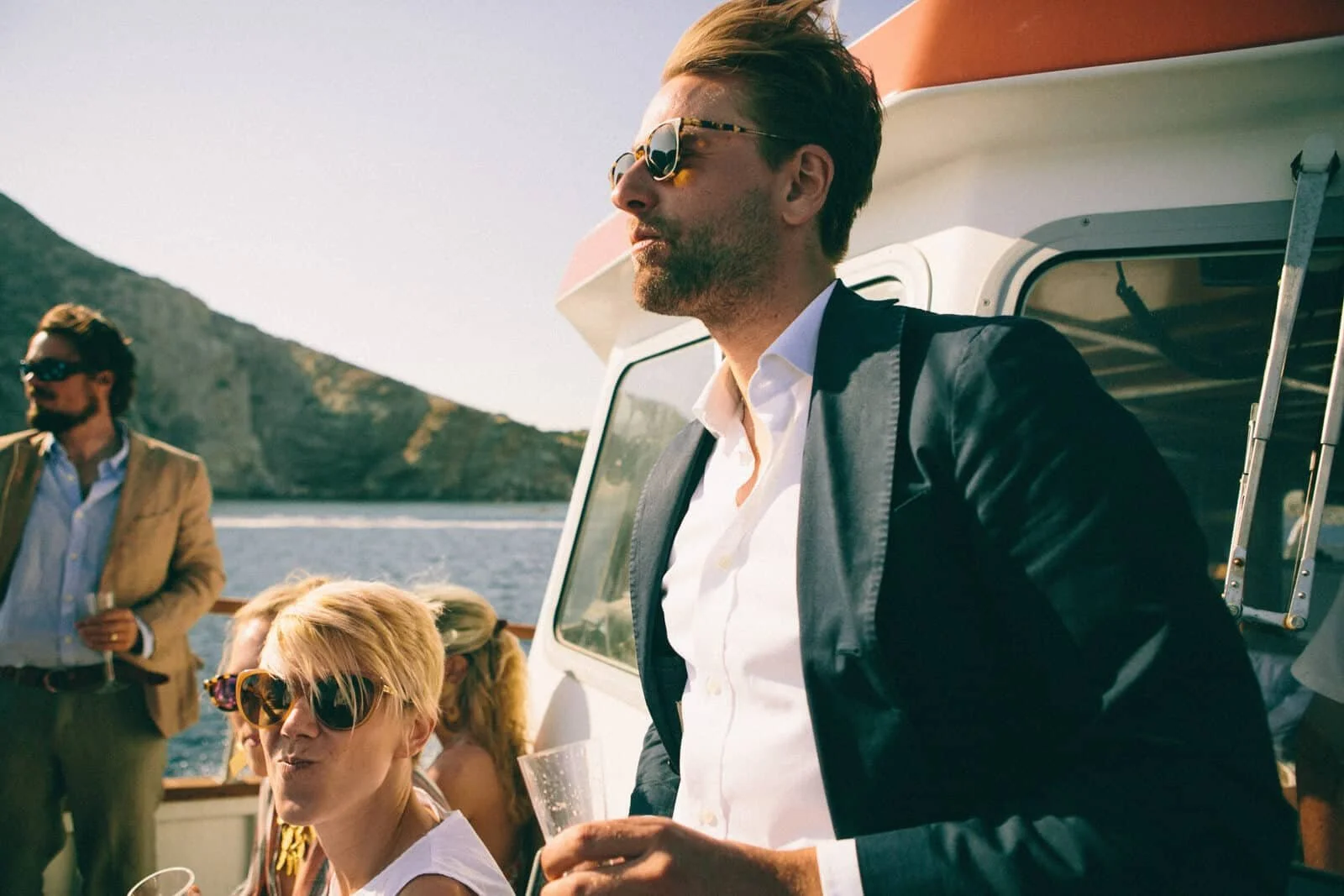
Discover what to wear to a Greek island wedding across every season. From breathable mid-summer fabrics to spring layers and autumn palettes and attire rules for Santorini, Mykonos and beyond.

Planning a woodland wedding in Greece? Skip the typical beach resort and discover the top 5 essential preparations - from ceremony type to legal documents - for an unforgettable mountain celebration.

Your pre-wedding photos last a lifetime, but a wardrobe misstep or clashing colors can quickly throw off the vibe. From ignoring location backdrops to choosing style over comfort, here are 8 outfit mistakes to avoid so you can look and feel your absolute best in front of the camera.
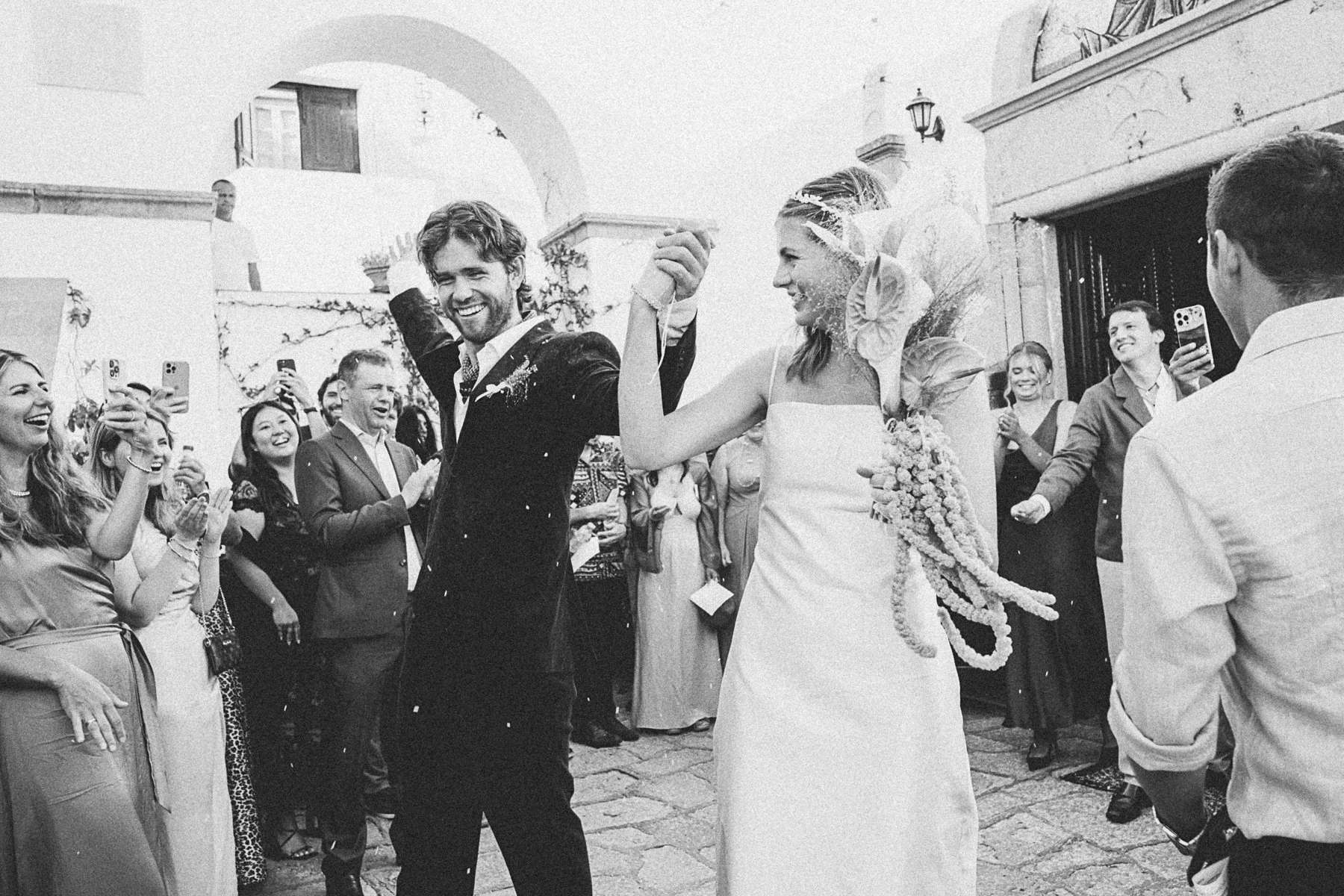
Move away from stiff, hours-long posing. Explore how capturing your wedding candidly preserves raw emotions, unscripted interactions, and nostalgic 35mm film memories.

Planning a destination wedding in Greece-whether it unfolds against the architectural grandeur of the Athens Riviera, the slow-living backdrop of Sifnos, the cosmopolitan light of Mykonos, or the ancient, marble-carved landscapes of Naxos-is an exercise in curation.

In 2026, the discerning couple is no longer looking for a singular day of celebration, but for a curated, multi-day experience that allows them to fully immerse themselves and their guests in the Mediterranean "art de vivre."
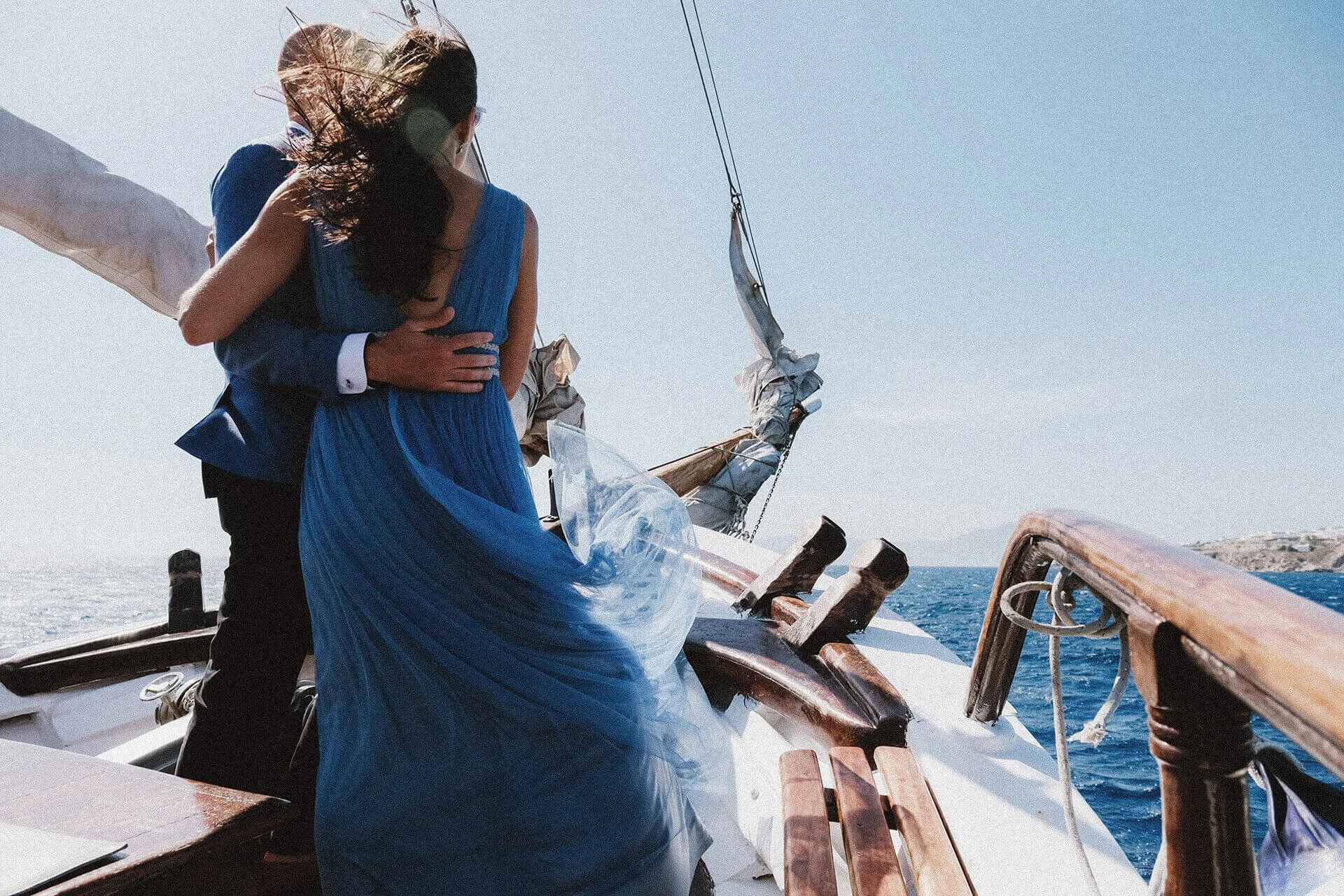
Choosing a wedding photographer in Greece is about more than a beautiful portfolio, it’s about finding someone who understands the alchemy of light, the rhythm of the Aegean, and the art of being present. From navigating the harsh midday sun to the quiet intention of film, here is how to find the person who will truly protect your memories.
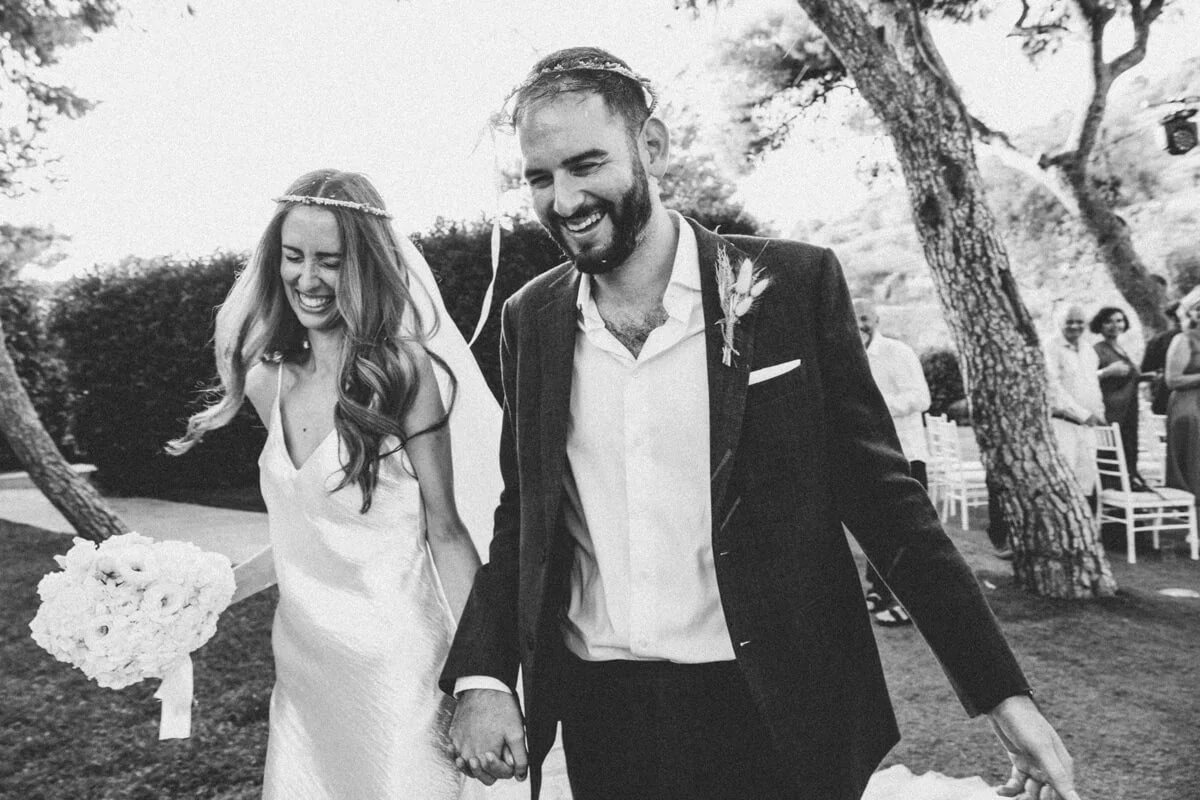
In the ever-evolving world of high-end events, the definition of luxury has undergone a profound transformation. In 2026, the global wedding industry is witnessing the definitive rise of "Quiet Luxury." It is a movement away from the performative and the over-produced, leaning instead toward the intentional, the understated, and the profoundly authentic.

Explore the evolving world of wedding photography and discover how today’s approach blends timeless, styled details with raw, authentic storytelling. This blog dives into the shift from purely posed images to capturing genuine, in-the-moment beauty—from cocktails in motion to heartfelt guest interactions. Learn how modern photographers are using creative techniques like flash, shadow play, and motion blur to bring wedding galleries to life, and why couples who value emotion, artistry, and real connection are embracing this new documentary-meets-editorial style.

Discover the magic of combining film and digital photography for your wedding day. Explore the unique benefits of each style, from the timeless charm of film to the crisp clarity of digital, and learn how a hybrid approach captures every moment beautifully.

Tying the knot in the stunning landscapes of Greece is a dream for many couples. The backdrop of azure waters, picturesque islands, and ancient ruins sets the stage for a truly magical wedding. And what better way to capture these once-in-a-lifetime moments than with a perfect wedding photographer? Finding the right photographer who can encapsulate the essence of your special day is pivotal, and navigating the plethora of options can be overwhelming. Fear not, as we embark on a captivating journey to uncover the secrets of finding the ideal wedding photographer in Greece.
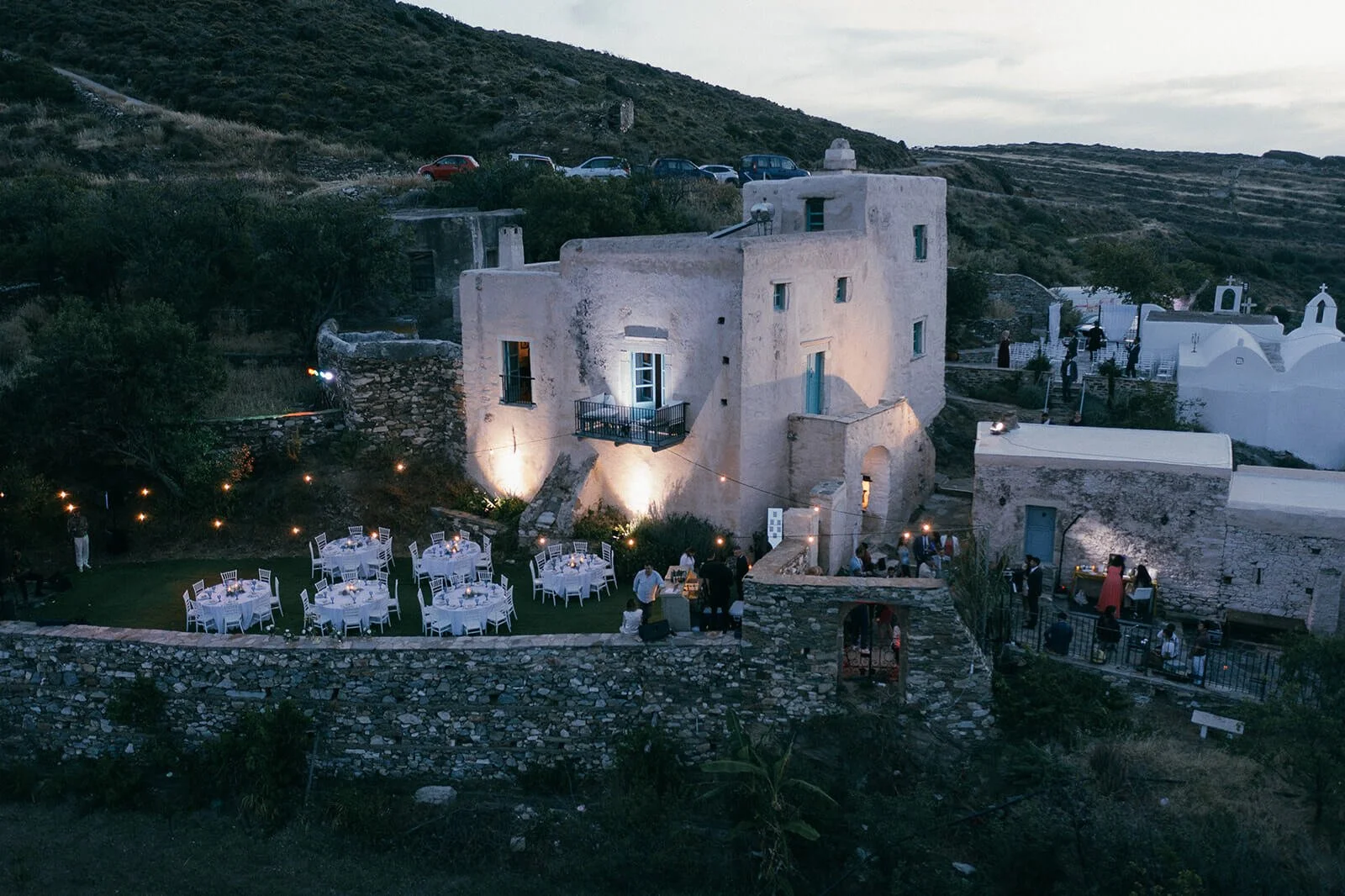
Greece offers a wealth of advantages as a wedding destination. The stunning natural landscapes, including crystalline waters, rugged cliffs, and golden beaches, provide a picturesque backdrop for wedding ceremonies and photography. The islands also boast a rich cultural heritage, with ancient ruins and traditional villages adding a sense of history and authenticity to the wedding experience. Additionally, the Mediterranean climate ensures that couples can enjoy sunny, warm weather for their special day, creating a festive and joyous atmosphere. With a wide range of accommodation options, from boutique hotels to luxury resorts, guests can also enjoy a memorable vacation while celebrating the couple’s nuptials. Finally, the warm hospitality and delicious cuisine add a touch of indulgence to the wedding festivities, ensuring that guests are treated to a truly unforgettable experience.

The Aegean islands are known for their crystal clear waters, picturesque beaches, and rich history. While some of the more popular islands like Santorini and Mykonos may be on your radar, there are many hidden gems waiting to be discovered in the Aegean Sea. In this article, we’ll take a closer look at some of the lesser-known islands that are worth a visit.

Greek weddings are a vibrant celebration of love, deeply rooted in centuries-old traditions that weave together a rich cultural tapestry. These ceremonies honor the bonds of family, the sanctity of faith, and the joy of unity, creating a heartfelt and meaningful experience for all who take part. Each custom tells a story, blending symbolic gestures and festive rituals to celebrate not just the union of two individuals, but the joining of two families and their shared heritage.

From the bustling streets of New York to the quiet golden light of the Cyclades - discover why US couples are trading stiff, staged portraits for a 'wildly simple' documentary approach. Learn how to turn your destination wedding into a stress-free multi-day vacation for your family, captured through an honest, local lens that knows these islands by heart.

Beyond the pose lies the 'Sunday Afternoon' energy of the Aegean. For the modern visionary, a wedding isn't a performance; it’s a quiet, intentional gathering defined by sophisticated simplicity. As a documentary wedding photographer with a background in Fine Arts, Magdalene Kourti captures the soul of the Greek Islands through 35mm film—from the raw texture of a wildflower bouquet in Sifnos to the unscripted laughter over a long taverna table in Antiparos. Discover a storytelling approach rooted in the poetic quality of Cycladic light, curated for those who value the unfiltered and the real.

The light feels softer, the landscapes more dramatic, and the air itself seems charged with history. It’s no wonder couples travel across oceans to say "I do" against this backdrop. But photographing a wedding in Greece isn’t just about showing up with a high-end camera and a romantic eye. It’s about understanding the land, the rhythm, and the subtle forces that shape each day. In Greece, local knowledge isn’t a bonus -it is the craft.
Magdalene Kourti is a documentary wedding photographer based in Greece, capturing heartfelt stories across the Cyclades and Dodecanese since 2009. Her work blends fine art and photojournalism and has been featured in international wedding publications.
 Magdalene Kourti
I am Magdalene, an award-winning visual artist and documentary wedding photographer based in Greece. My work is deeply inspired by the interplay of light and emotions. My approach emphasizes capturing genuine moments with sincerity, a touch of chicness, and a bohemian spirit.